
Hemp as Infrastructure: Food, Fiber, Fuel, and Housing All from One Crop

Infrastructure is usually discussed in terms of roads, bridges, and utilities. Rarely does anyone think about crops as infrastructure. Hemp challenges that narrow view by touching more essential systems than almost any other plant grown in the United States.
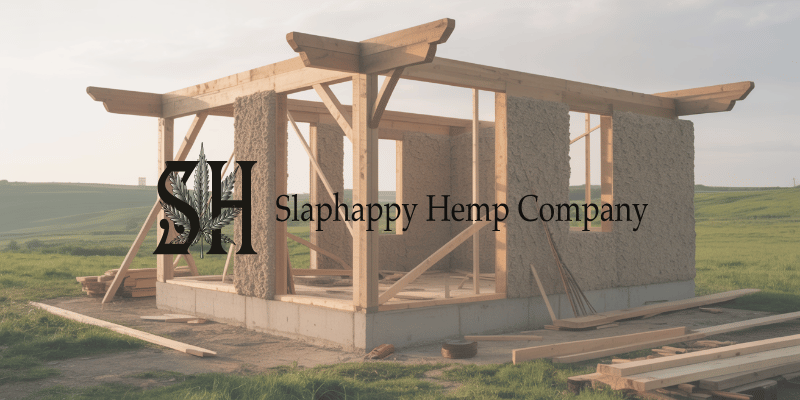
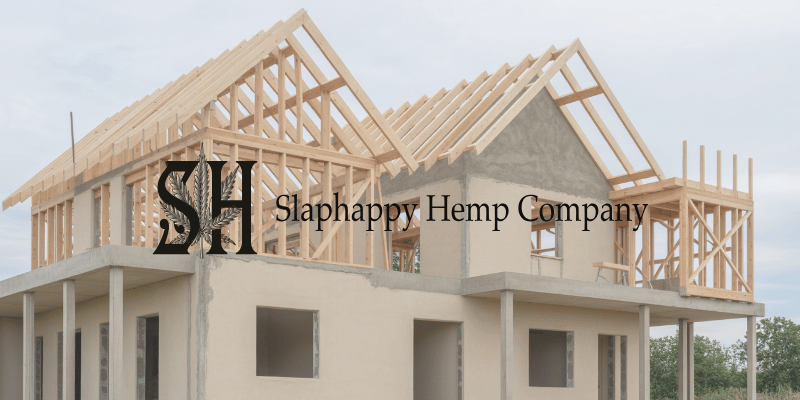
Hemp produces food in the form of grain and seed. It produces fiber for textiles, composites, and building materials. It supports fuel inputs and industrial oils. It contributes directly to housing through insulation, fiberboard, hempcrete, and compatible finishes like mineral and hemp-based paints. Few crops connect agriculture, manufacturing, and construction this directly.
That matters because infrastructure works best when systems reinforce each other. A single hemp crop can support multiple industries at once. Farmers grow it. Processors handle grain and fiber. Manufacturers turn it into products for food, construction, and industry. Builders use it in structures that last longer and perform better. Instead of isolated markets, hemp creates a web of interdependent value.
In housing, hemp-based materials offer performance advantages that align with long-term infrastructure goals. Hempcrete regulates temperature and moisture, reducing strain on heating and cooling systems. Hemp fiber insulation improves thermal performance without relying on toxic binders. Hemp-compatible paints and coatings allow walls to breathe, extending the life of structures and improving indoor air quality.
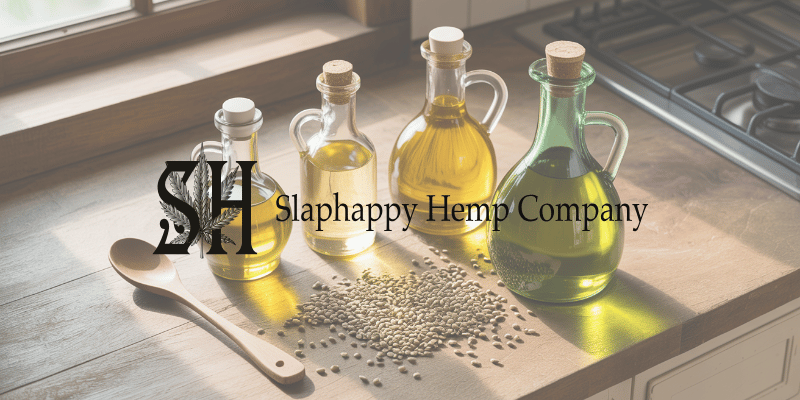
Food infrastructure is part of the same story. Hemp grain supports human nutrition, animal feed, and specialty diets. That reduces reliance on imported proteins and fragile supply chains. When a crop feeds people and supports construction at the same time, disruptions in one market do not collapse the whole system.
Fuel and industrial uses round out the picture. Hemp biomass can support bio-based oils, lubricants, and industrial inputs. While not a replacement for all fossil fuels, it adds resilience by diversifying sources. Infrastructure benefits from options, not single points of failure.
Treating hemp as infrastructure changes how it should be regulated. Infrastructure requires clarity, consistency, and long-term planning. Farmers cannot invest acreage. Processors cannot build facilities. Manufacturers cannot scale if rules shift without warning. Infrastructure does not tolerate uncertainty.
Hemp infrastructure also aligns with environmental realities without needing buzzwords. It improves soil health, sequesters carbon, and reduces reliance on materials that carry heavy environmental costs. Those benefits are inherent to the plant and the systems built around it.
When policy treats hemp as a controversy instead of infrastructure, progress stalls. When it is treated like what it is, a multi-use crop supporting essential systems, the conversation becomes practical again.
Hemp does not need to be everything. It does not need to replace every material or fuel source. It needs to be allowed to do the jobs it already does well. That is how infrastructure grows stronger over time.
Why Congress Needs to Act on Hemp
The American hemp industry is facing a hard deadline. Unless Congress acts, current federal language would trigger a nationwide hemp ban in November, disrupting farms, processors, and manufacturers across multiple sectors.
A three-year extension gives lawmakers time to write clear, responsible regulations without collapsing legitimate infrastructure midstream. If you want to support a three-year hemp extension, you can
contact Congress here.
A Note for Our Community
If Slaphappy products are part of your routine, now is the time to plan ahead. Many hemp consumables, including gummies and drinks, may not be available much longer if Congress does not act.
Stocking up is not about panic. It is about practicality. Thank you for supporting responsible hemp and the people doing this the right way.