
Why Hemp Belongs in American Construction, Not Culture Wars

Somewhere along the way, hemp got dragged into a fight it never asked to be part of. Instead of being discussed as a crop or a material, it keeps getting treated like an ideology. That framing does real damage, especially when it comes to construction, where performance matters more than politics.
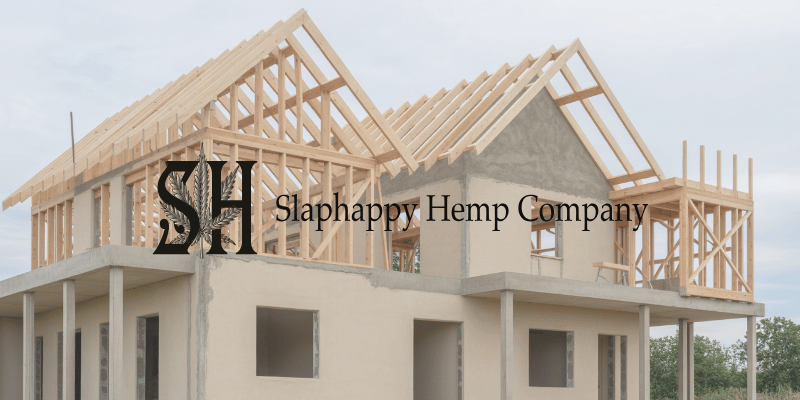
Hemp building materials belong in the same category as lumber, concrete, steel, and insulation. Builders care about how something performs, how long it lasts, how it handles moisture, and whether it makes sense on a job site. Hemp-based materials meet those standards far more often than most people realize.
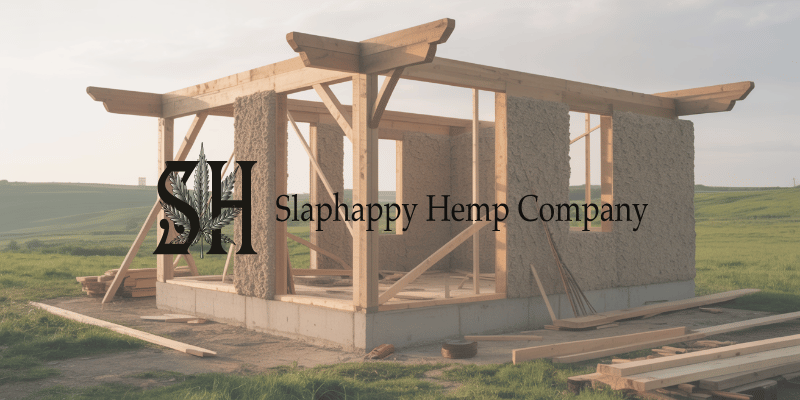
Hempcrete is a good example. Made from hemp hurd, lime, and water, hempcrete is not load bearing, but it works exceptionally well as insulation and wall infill. It regulates temperature, manages moisture, resists mold, and improves indoor air quality. Homes built with hempcrete tend to be more comfortable year-round and rely less on aggressive heating and cooling.
Hemp fiber insulation and fiberboard products bring similar benefits. They are breathable, fire resistant, and avoid many of the toxic binders found in conventional insulation. Installers are not handling harsh chemicals, and homeowners are not sealing those chemicals inside their walls.
Another piece that often gets overlooked is hemp-based paint and coatings. Hemp paint is not a miracle replacement for every latex or acrylic paint, but in natural building systems it plays an important role. These paints are typically mineral or lime based, sometimes incorporating hemp oil or bio-based binders. Their strength is breathability. When paired with hempcrete or natural plasters, hemp paint allows walls to release moisture instead of trapping it. That reduces mold risk and helps maintain healthier indoor air over time.
None of this is radical. It is practical building science. Construction has always evolved based on better materials and better understanding. Wood replaced stone. Insulation improved as energy efficiency mattered more. Hemp belongs in that same progression.
The biggest barrier hemp faces in construction is not performance. It is perception. When hemp is treated as a cultural symbol instead of a building material, it never gets evaluated on its merits. That keeps it out of code discussions, training programs, and supply chains where it could be doing real work.
If the conversation stays stuck in culture wars, America misses an opportunity to build healthier, more resilient structures. Hemp does not need defending as an idea. It needs to be judged as a material. When it is, it earns its place.
Why Congress Needs to Act on Hemp
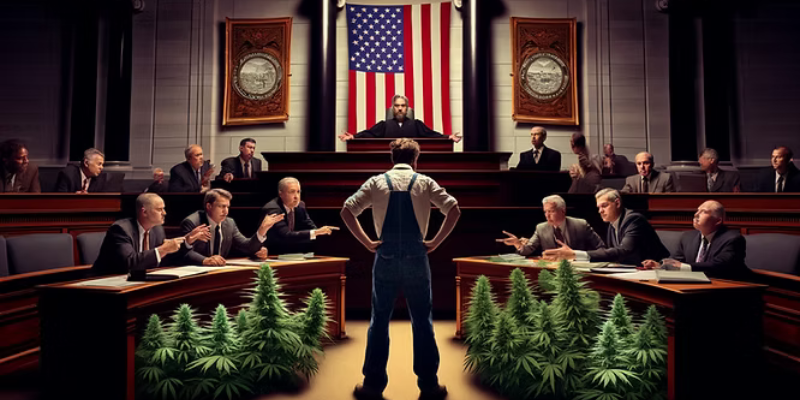
The American hemp industry is facing a hard deadline. Unless Congress acts, current federal language would trigger a nationwide hemp ban in November, wiping out most legitimate hemp businesses almost overnight.
A three-year extension gives lawmakers time to write clear, responsible regulations without collapsing farms, manufacturers, and material suppliers in the process. If you want to contact Congress and support a three-year hemp extension, you can do so here:
https://speak4.app/lp/vj018sbu/?ts=1768441917
A Note for Our Community
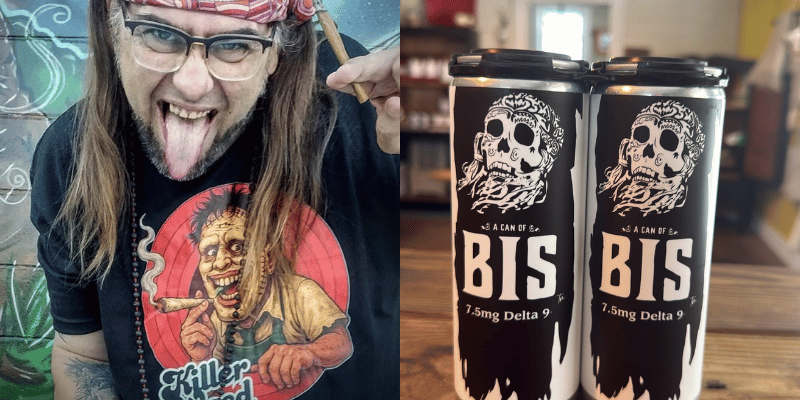
If Slaphappy products are part of your routine, now is the time to plan ahead. Many hemp consumables, including gummies and drinks, may not be available much longer if Congress does not act.
Stocking up is not about panic. It is about practicality. Thank you for supporting responsible hemp and the people doing this the right way.